13 September 2025
Bearface Triple Oak


Most of the whiskies I’ve explored on this journey so far have been Scottish single malts. There have been a couple of exceptions - Redbreast Lustau from Ireland and Cotswolds Reserve from England - but today we’re heading much further afield. Bearface hails from Canada, though it’s actually distilled in an undisclosed location, with the brand leaning heavily on its claim of being “elementally aged” in the extreme conditions of the Canadian wilderness. Is that clever marketing, or does the northern climate genuinely shape the whisky as much as they say? Let’s find out…
Bottle
I have to admit, the bottle is a triumph of design. It captures the rugged harshness of the Canadian wilderness perfectly, with those bold bear claw scratches embossed into the glass and slicing through into label. It’s striking, dramatic, and tells the story before you’ve even pulled the cork. One of the most eye-catching bottles I’ve picked up in a while.
Colour
Remarkably, given how much this whisky trades on its story it is apparently naturally coloured. The deep hue comes from maturation in a mix of ex-bourbon barrels, French red wine casks, and virgin Hungarian oak. A rich, inviting colour that feels honest.
Nose - Coming from more traditional single malts, the nose here is unusual. Corn and brown sugar lead the way, with hints of spice and orange bitters. There’s also something slightly “off” — not fresh, exactly. I don’t think I’ve ever noticed a whisky nose as being fresh before, but here the inverse is the best way I can put it.
Palate - The creamy corn note carries onto the palate, alongside what I can only describe as toasted marshmallows. The orange bitters return too, and the whole experience is sweeter and more enjoyable here than on the nose.
Finish - A medium finish, leaving a tingle of spice behind. The final flavour that lingers is like red hot cinnamon gobstoppers — fiery, unusual, and a bit nostalgic.
Overall
I love Canada, especially the Pacific coast, having spent a year living in Vancouver after university. Canadian whisky has never been high on my list, but I couldn’t resist trying this marketing-led creation from a country I often wish I could call home. And to be fair, the storytelling is excellent: the brand’s whole wilderness narrative is tightly executed.
The whisky itself? It’s pretty good, though the marshmallow-corn profile isn’t entirely to my taste. I can’t say how much of the flavour truly comes from those dramatic 50℃ temperature swings the casks supposedly endure (sometimes in a single day!), but what’s in the glass is bold and distinctive.
At a fairly reasonable price, and now widely available in UK supermarkets, Bearface Triple Oak won’t blow your socks off — but it will definitely pull you into its story for a while.
Most of all, it’s whetted my appetite for a true Canadian single malt. That’s one I’ll be hunting down soon… watch this space.
Comments
Loading comments…
Leave a comment
Fancy another dram?

Compass Box Orchard House
Compass Box divides opinion — boundary-pushing innovators to some, fancy bottles and marketing to others. Orchard House is their fruit-forward blended malt, and it's exactly what it promises: bright apple, pear and pineapple over golden syrup and buttery pastry, finishing on fruit and vanilla buttercream. A genuinely easy-drinking showcase of Scotch's lighter side — but is bright and breezy enough to win me over?
Redbreast Lustau Edition
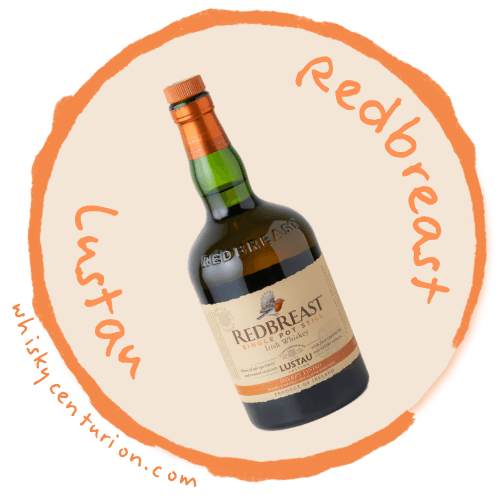
A first on my Centurion quest — an Irish whiskey. Redbreast Lustau is made at Midleton in Cork and finished in sherry butts. It's a rich, smooth pot-still dram: dark sherried fruit, liquorice and almond up front, plummy and peppery on the palate, with a long finish of peppercorn, allspice and that lingering liquorice. A change of country and style — and a real treat.
Cotswolds Reserve
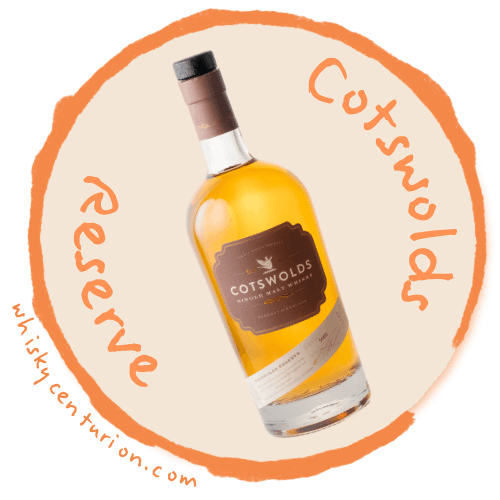
This week I'm trying something a little different — an English single malt. There are fewer than 50 active whisky distilleries in England, around a third the number in Scotland, but that isn't the whole story: most of them, the Cotswolds included, are less than 10 years old (I could find only two releasing whisky before 2017!). A very young industry indeed.