Guide • 14 May 2024
Decoding Whisky Value: Scoring the Best Value Bottles
Over the last few months I’ve sampled and reviewed nearly thirty whiskies on this site in my ongoing journey to become a Whisky Centurion. The whiskies I've tried range in price from around £27 to over £70, sparking my curiosity about value for money in a bottle of whisky. Value is highly subjective — what one person sees as valuable may differ entirely from another’s perspective. Sometimes, a cheap, easy whisky suffices, even if it means compromising on quality. Other times, splurging on a more expensive bottle can be gratifying, even if the extra cost doesn't equate to a proportional increase in value. But it made me wonder - is there a way to quantify this and will it help?…
The method
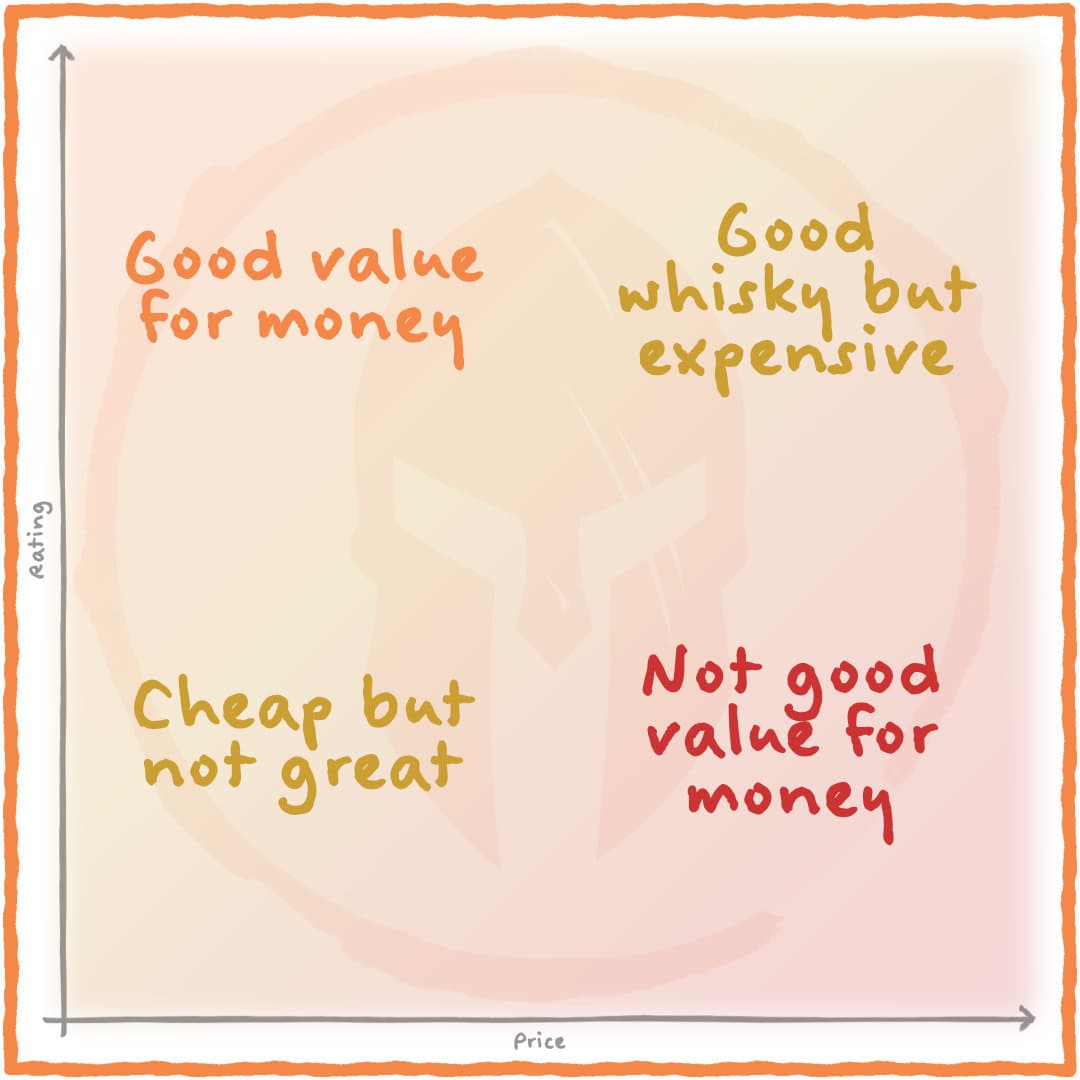
So how do you put a number on something as personal as whisky? My approach was deliberately simple: for each whisky I'd reviewed, I gathered the average score from a handful of independent review sites — a rough consensus on quality — and paired it with the current price over at Master of Malt. Plotting one against the other gives a simple four-quadrant chart, with quality climbing up the vertical axis and price running along the horizontal. The bottles that land top-left are the real heroes — highly rated but easy on the wallet — while anything drifting to the bottom-right is paying more for less.
Results
Even within the relatively small set of whiskies examined, there were both predictable and surprising results. Here are some of the highlights:
Macallan 12 Double Cask
The priciest bottle in the set at around £72, and — controversially — one of the poorest performers on value. The ratings are solid but unremarkable, and that famous name commands a serious premium. A lovely sherried Speysider, but you're paying for the label as much as the liquid.
Auchentoshan American Oak
At the other end of the scale, the cheapest bottle here at around £27. Easy on the wallet, but also one of the lowest-rated drams in the sample — gentle and inoffensive rather than exciting. Cheap, then, but not quite the bargain the price might suggest.
Ledaig Sinclair Series Rioja Cask
The surprise of the bunch. At around £40 it's far from the most expensive, yet it posts one of the highest ratings in the whole set — a smoky, Rioja-finished Tobermory that punches well above its price. Comfortably one of the best-value bottles I've come across.
Bunnahabhain Stiùireadair
Another star performer. Well-rated and keenly priced at around £36, this unpeated Islay sherry bomb lands firmly in the sweet spot — high quality without the high price tag. Exceptional value, and a personal favourite to boot.
Fettercairn 12 Year Old
A more divisive one. I genuinely enjoyed the Fettercairn 12, but at around £48 its below-average ratings drag its value score down. A good reminder that the numbers and your own palate don't always agree — and that personal taste is the part no chart can capture.
What have I learned?
This analysis has been quite revealing for the whiskies I’ve reviewed over the past year. Many of the whiskies deemed ‘good value’ are ones I enjoyed and felt offered good value for money. Conversely, those with lower value scores often aligned with my preconceptions about their value. Obviously there are a few exceptions - I am not generally a big fan of peated whiskies but both the Ardbeg 10 and Talisker 10 have the two highest ratings of all of the whiskies in this sample. I’ve since had the chance to try the Talisker 10 for myself, and it didn’t disappoint.
This is definitely an idea I want to explore further and the chart is a useful tool for assessing the relative merits of a whisky. My plan is to investigate a little further and probably incorporate it into future reviews. However I am a little torn; a large part of me feels uncomfortable with applying ‘science’ to whisky drinking because to me whisky is much more about the way it makes you feel rather than something that can be quantified in black and white - it is so subjective and that is, in part, why we all love it so much.
Let me know if you think this is useful and how else it could be used.
Comments
Loading comments…
Leave a comment
Fancy another dram?
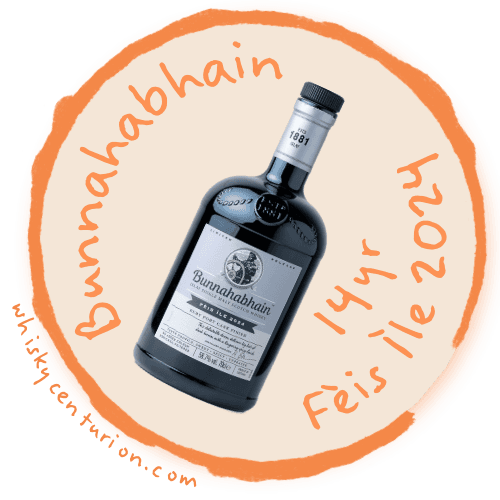
Bunnahabhain 14 Year Old - Ruby Port Cask Finish - Fèis Ìle 2024
Special releases come thick and fast these days, but Fèis Ìle bottlings still pull me in. This 2024 Bunnahabhain is a 14 year old port-cask release from Islay's annual festival. The port shows gloriously: raspberry, strawberry and dark chocolate, jammy and rich at a hefty 58.7%, with that signature coastal salt lingering through a long finish. Something a little special — and absolutely stunning.
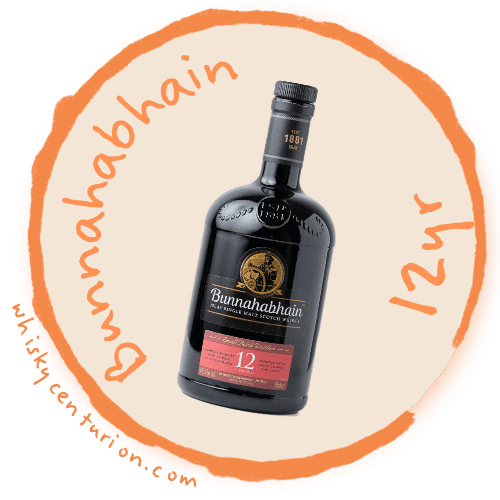
Bunnahabhain 12 Year Old
There's something quietly rebellious about Bunnahabhain. While the rest of Islay shouts about peat, this remote distillery lets sherry and coastal character lead. The unpeated 12, their flagship, is rich and inviting: nutty dried fruit — raisins and figs — Christmas-cake spice and a whisper of coastal salt, all remarkably smooth at 46.3%. Proof Islay can do far more than peat bombs.
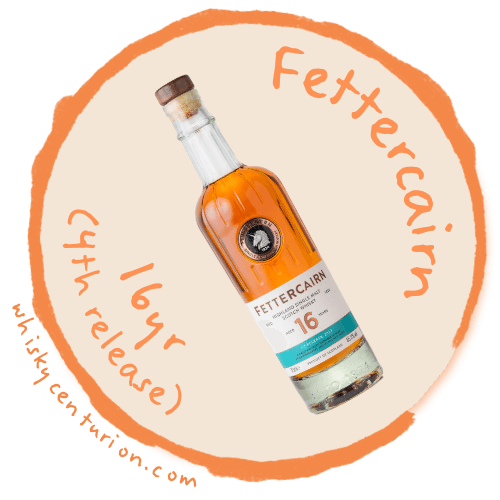
Fettercairn 16 Year Old (4th Release: 2023)
I've a real soft spot for Fettercairn — they tread the line between classy and affordable rather well, and drew one of the biggest crowds at Whisky Live. The 16 is a step up, and a fine showcase of the distillery's signature tropical fruit: pineapple sweetness, stewed orchard fruit and a long finish of winter berries and ginger. Little wonder it's since joined the core range.